Professional Paver Repair & Restoration on Long Island
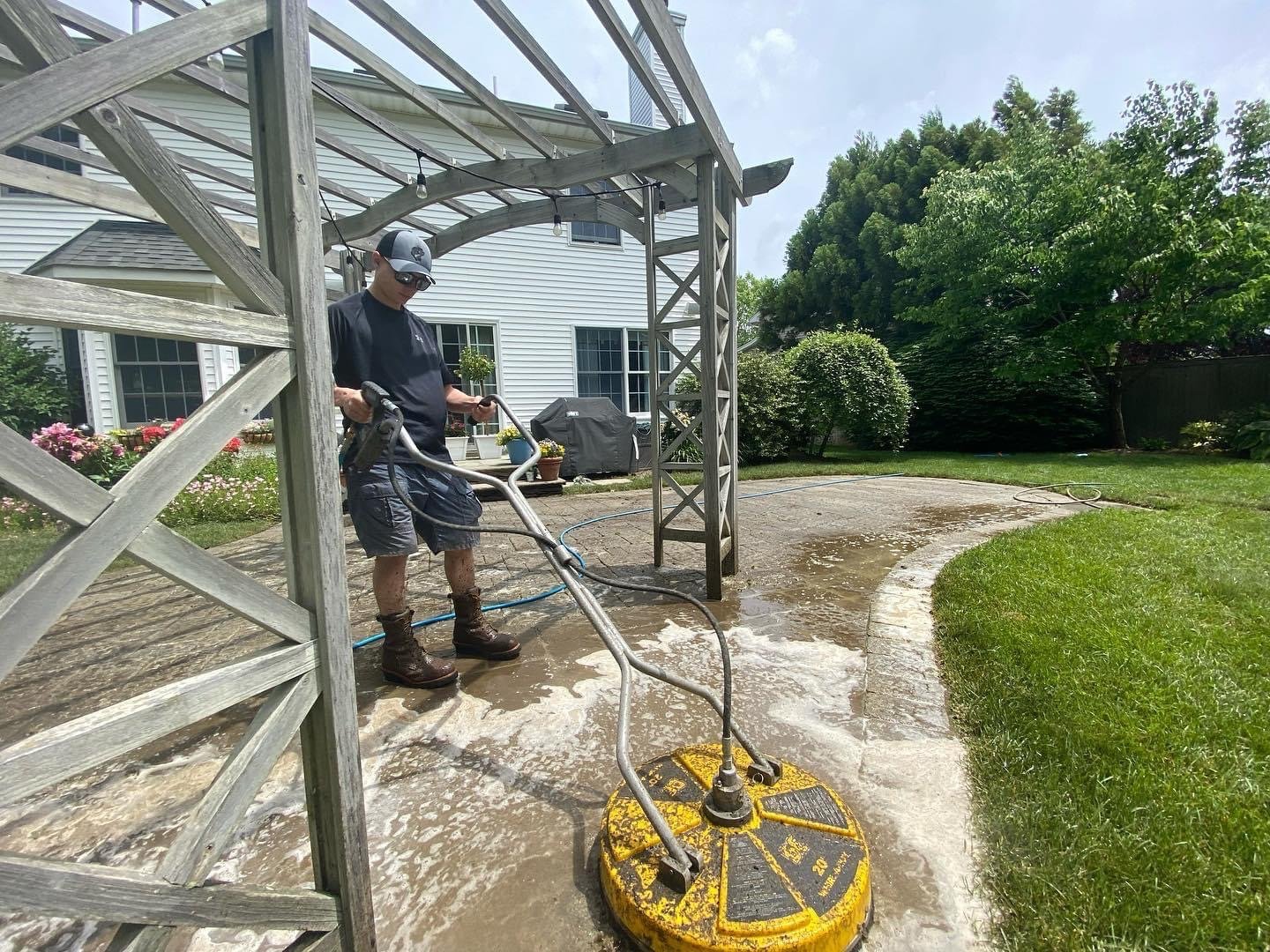
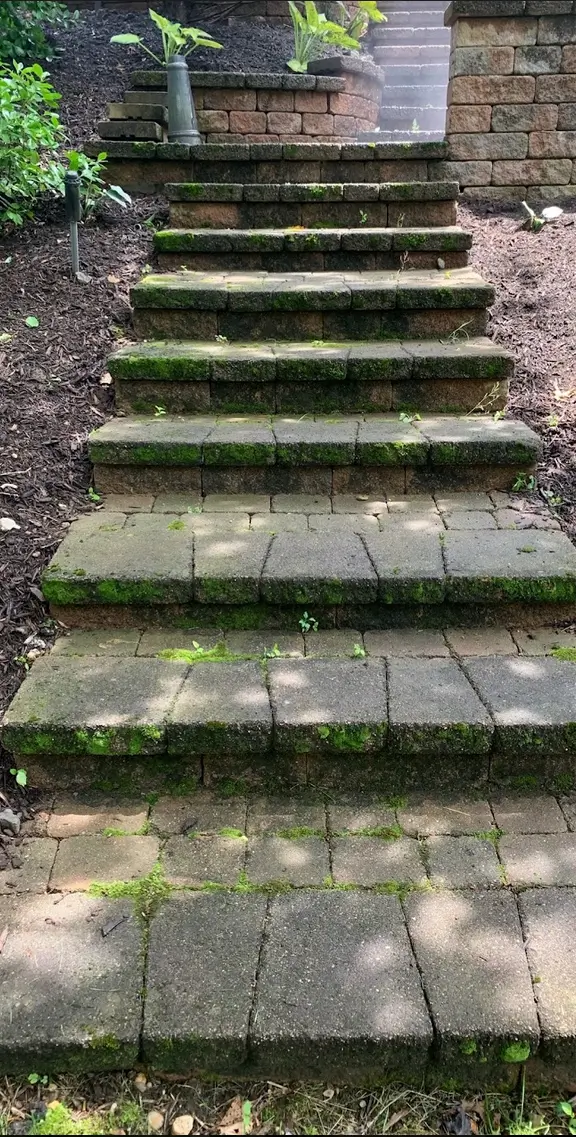
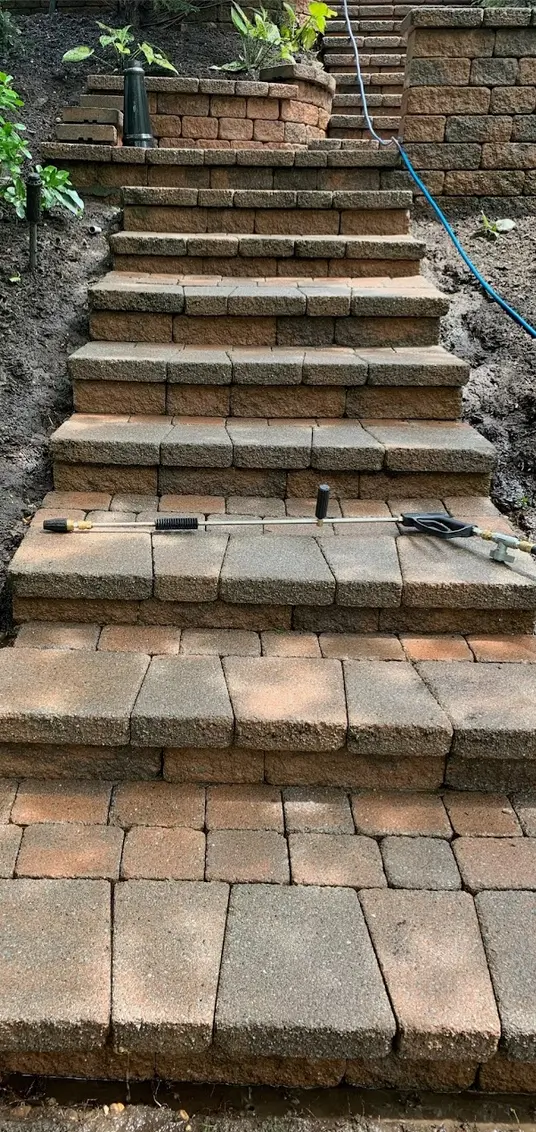
Pavers are built to last decades — but the ground underneath them isn't always as cooperative. Settling, shifting, cracking, and drainage problems affect paver installations across Long Island, turning beautiful driveways, patios, and walkways into uneven, hazardous surfaces.
Best Power Wash LI provides professional paver repair and restoration services that fix structural problems at their source. We don't just patch over symptoms — we address the underlying issues so your repairs last. And once structural work is complete, our paver wash, sand, and seal service brings the entire surface back to like-new condition.
Common Paver Problems We Fix
Sunken & Settled Pavers
The #1 structural issue with Long Island paver installations. Pavers sink when the base material compacts unevenly, when soil beneath the base erodes, or when improper compaction during original installation creates voids. We lift affected pavers, address the base issue, re-level with proper material, and re-lay the pavers to match the surrounding surface grade.
Shifting & Spreading Pavers
When edge restraints fail or joint sand erodes, pavers lose their interlock and begin to migrate. Gaps widen, patterns distort, and the entire surface becomes unstable. We re-set shifted pavers, install or repair edge restraints, and fill joints with polymeric sand to lock everything in place.
Cracked & Broken Pavers
Individual pavers crack from freeze-thaw cycles, heavy loads, tree root pressure, or manufacturing defects. We remove damaged pavers and replace them with matching units. For discontinued paver styles, we source the closest available match or strategically redistribute existing pavers to minimize visual difference.
Drainage Issues
Poor drainage is a paver installation's worst enemy. Water that pools on or under the paver surface leads to base erosion, frost heaving, efflorescence, and accelerated deterioration. We diagnose drainage problems and implement solutions — re-grading for proper slope, installing channel drains, adding catch basins, or improving base permeability.
Tree Root Damage
Long Island's mature trees are beautiful — until their roots push under your paver installation. Root intrusion heaves pavers upward, cracks base material, and creates tripping hazards. We remove affected pavers, address the root issue (in coordination with a certified arborist when needed), repair the base, and re-lay the surface.
Edge Restraint Failure
Edge restraints keep your paver field contained and stable. When they fail — from deterioration, frost heaving, or improper original installation — pavers along the edges shift, spread, and become tripping hazards. We install heavy-duty edge restraints anchored with spikes into compacted base for long-lasting containment.
Our Paver Repair Process
1. Diagnostic Assessment
Every repair starts with understanding why the problem occurred. We inspect the affected area, surrounding pavers, edge restraints, drainage patterns, and base condition. Understanding the cause prevents the repair from failing again.
2. Paver Removal
Affected pavers are carefully extracted using paver pullers to avoid damaging adjacent units. For larger areas, we systematically remove and stack pavers for re-installation.
3. Base Repair
This is where most DIY repairs and cheap contractors fail — they skip proper base work. We excavate compromised base material, re-compact the subgrade, add and compact fresh base material in proper lifts, and re-level the bedding layer to precise grade.
4. Paver Re-Installation
Pavers are re-laid to match the existing pattern, properly spaced, and compacted with a plate compactor to set them into the bedding layer. Replaced pavers are matched as closely as possible to existing units.
5. Finishing
Joints are filled with polymeric sand, edge restraints are installed or repaired, and the entire area is inspected for proper grade, alignment, and stability. We recommend full wash, sand, and seal service to complete the restoration.
When Repair vs. Full Replacement Makes Sense
- Localized settling (a few areas) — repair is cost-effective and we can match existing pavers
- Widespread settling (entire surface) — may indicate fundamental base failure; we'll give you an honest assessment of repair vs. replacement cost
- A few cracked pavers — easy replacement if matching pavers are available
- Edge spreading — repair with proper edge restraints is almost always the right call
- Drainage issues — often fixable with re-grading or drain installation
- Severely deteriorated base — may require full removal and re-installation; we'll be straight with you about this
What Affects Paver Repair Cost?
- Scope of damage — number of pavers affected and severity of base issues
- Base condition — minor re-leveling vs. full base excavation and replacement
- Paver replacement — availability and cost of matching pavers
- Drainage work — adding drains or re-grading adds to project scope
- Access — backyard work requires material transport considerations
- Additional services — combining with wash, sand, and seal for complete restoration
Complete Paver Services
Best Power Wash LI offers the full spectrum of paver services on Long Island:
- Paver wash, sand & seal — our signature 3-step restoration process
- Paver repair — structural fixes for settling, shifting, cracking, and drainage
- Pressure washing — heavy-duty cleaning for all hardscape surfaces
Serving All of Long Island
We repair pavers across Nassau and Suffolk County — Massapequa, Garden City, Huntington, Babylon, Smithtown, Great Neck, and every community on the island.